
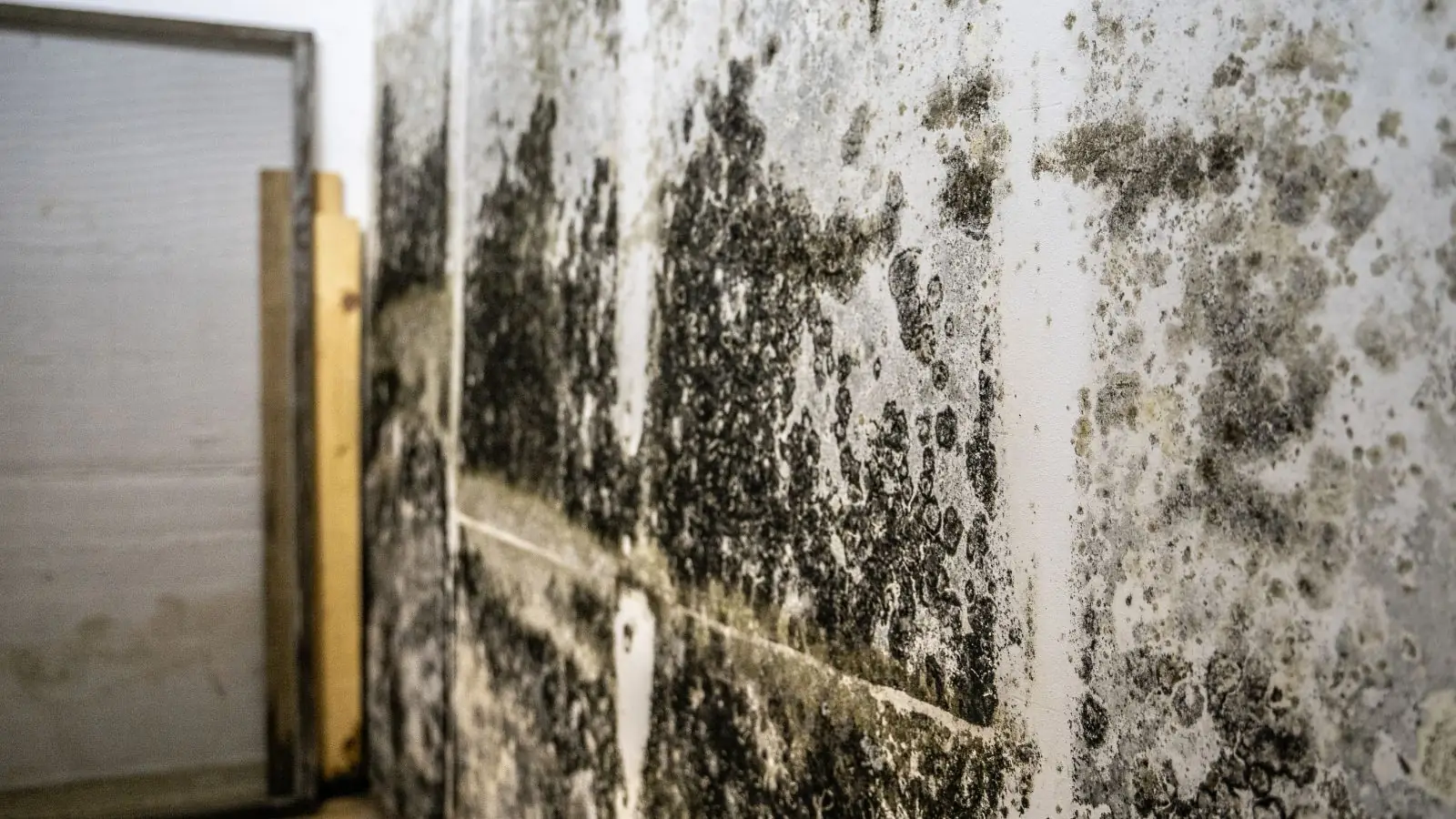
Start with the water, not the scrub brush
If you want to get rid of mold in a basement in Moorpark, CA, the first job is finding the water. Mold needs moisture to grow, and the EPA puts it plainly: the key to mold control is moisture control. A wall you scrub clean but leave damp is a wall you will be scrubbing again.
A caveat about this page. It applies if your home has a basement, a lower level, a sunken garage or a finished room below grade. Plenty of Moorpark homes have none of those, and if yours is one of them, the same logic still fits a damp closet or a slab-level bonus room.
Four ways water gets into a lower level
Mold in a lower level always has a wet story behind it. The fix depends on which story it is.
Seepage through walls or floor
Ground moisture pushing through a concrete wall or the slab, often with white mineral crust (efflorescence) and a damp smell after rain. This one needs a drainage or waterproofing contractor, not a restoration crew.
Condensation
Warm indoor air meeting a cool concrete wall or a cold water pipe. Look for beads of water on pipes and dark spots on the lower few feet of an exterior wall.
Plumbing
A slow drip at a supply line, a drain joint above the ceiling, or a water heater pan that has been quietly filling. If the damp spot sits under a bathroom, start there.
Laundry
A washer hose that weeps, a clogged standpipe that overflows, or a dryer vented into the room instead of outside. Laundry areas feed mold more often than people expect.
What you can do yourself, and where to stop
EPA's homeowner guidance says that if the moldy area is less than about 10 square feet, roughly a 3 foot by 3 foot patch, you can usually handle the job yourself. Above that size, the agency points to professional-level guidance. That line is a starting point and not a verdict, because where the mold sits matters as much as how big it is.
A 6 square foot patch on a painted concrete block wall is a weekend task. A 6 square foot patch on drywall that was soaked by a failed water heater is a different animal, since the damp may run well past what you can see.
| Situation | DIY or professional | Why |
|---|---|---|
| Under about 10 sq ft on sealed concrete, tile or painted block | DIY is reasonable | Hard surface, small area. Scrub with detergent and water, then dry completely. Wear gloves, eye protection and a respirator rated for the task. |
| Musty smell, no visible source | Professional | The growth is probably inside a wall, under flooring or behind a finished surface. Opening it up blindly spreads the problem. |
| Mold on drywall, carpet, insulation or ceiling tile | Professional in most cases | Porous materials are usually removed, not cleaned. EPA notes mold can be difficult or impossible to remove completely from them. |
| Over about 10 sq ft, or on several walls | Professional | Size alone raises the odds that material behind the surface is wet. Containment and negative air matter at this scale. |
| Water still coming in | Fix the leak first, then decide | Cleaning before the source is fixed is wasted effort. The growth returns where the moisture stays. |
| Sewage or flood water was involved | Professional | Category 3 water changes the job. Call before you touch anything. |
Moorpark rainfall, humidity and lower-level rooms
The City of Moorpark reports annual rainfall of 15.85 inches, with January averaging 3.21 inches and July just 0.01. For a below-grade room, the wet months are when ground moisture tests a wall, so check after winter storms. A dry July tells you very little about a basement.
The same city page lists humidity highs of 70 percent in January and 75 percent in October. Against EPA's 30 to 50 percent target, that means a closed lower room can sit above the range for weeks without any leak at all. Put a hygrometer on the wall and watch it through the fall.
If rebuilding means new drywall or framing, ask City of Moorpark Building and Safety whether the work needs a permit. The division takes permit applications online and lists 805-517-6272 for help.
Not sure which side of the line you are on?
Describe what you see and what happened. Nothing starts until the scope and price are laid out.
What a professional job looks like
A crew starts with a moisture meter and often a thermal camera to map where the wet material actually is. The mold you see is rarely the whole picture. Then comes containment: plastic sheeting sealed around the work zone, with a negative air machine pulling air through a HEPA filter so dust does not drift into the rest of the house.
Inside the containment, porous material that is moldy gets cut out and bagged, which means drywall, carpet, pad and wet insulation. Framing and other solid surfaces are cleaned, commonly with HEPA vacuuming and damp wiping. An antimicrobial may be applied following the product label. Before hiring, ask whether the crew follows the published ANSI/IICRC S520 standard for mold remediation, and ask to see the written scope.
Drying is what makes the cleanup stick
Once the damaged material is out, the space has to dry. LGR dehumidifiers and air movers do this work, and a moisture meter shows when framing and slab readings are back to normal. EPA advises keeping indoor relative humidity below 60 percent, ideally between 30 and 50 percent, and its guidance on water-damaged items calls for drying them within 24 to 48 hours.
A cheap hygrometer in the lower room tells you where you stand. If it keeps reading high after the leak is fixed, you have a ventilation or condensation issue and not a leftover leak. Run a dehumidifier with a drain hose so you are not emptying a bucket twice a day.
Restoration is not waterproofing
This is the honest limit. A restoration crew removes damaged material, dries the structure and rebuilds. It does not seal a foundation, regrade a yard or install a French drain. If groundwater is your source, you need a drainage or waterproofing contractor, and the order matters: waterproof first, then rebuild.
Plumbing leaks and roof leaks are the same story. A plumber or roofer fixes the cause. Our water mitigation service handles the drying side, and a company that promises it can also make your wall "waterproof" is selling something it does not do.
Questions readers ask
We would not guess at how many homes have one. What matters is yours. If you have a basement, a sunken garage or a finished room below grade, it sits against soil and is more exposed to ground moisture and condensation than an upstairs room. If you do not, a damp slab room or closet follows the same rules.
EPA does not recommend bleach as a routine part of mold cleanup, and the California Department of Public Health says it does not recommend bleach or bleach products. Hard surfaces can be scrubbed with detergent and water instead. Never mix bleach with ammonia-based cleaners.
If you can already see or smell mold, sampling usually adds little, and EPA says there are no federal limits set for mold or spores to compare a result against. Put the money toward finding and fixing the water. Questions about health effects belong with your physician.
Check your policy. Coverage tends to follow the cause, so a pipe that fails at once is treated differently from a drip that ran for months. Ask your insurer how it treats mold that follows a covered event.
No. We dispatch to licensed and insured restoration professionals who remove damaged material, dry and rebuild. For seepage through a foundation, you need a drainage or waterproofing specialist, and your restoration scope should say where that handoff happens. The same split applies if you are calling from Simi Valley or Thousand Oaks, which we also serve. See our mold remediation page for how the work is scoped.