
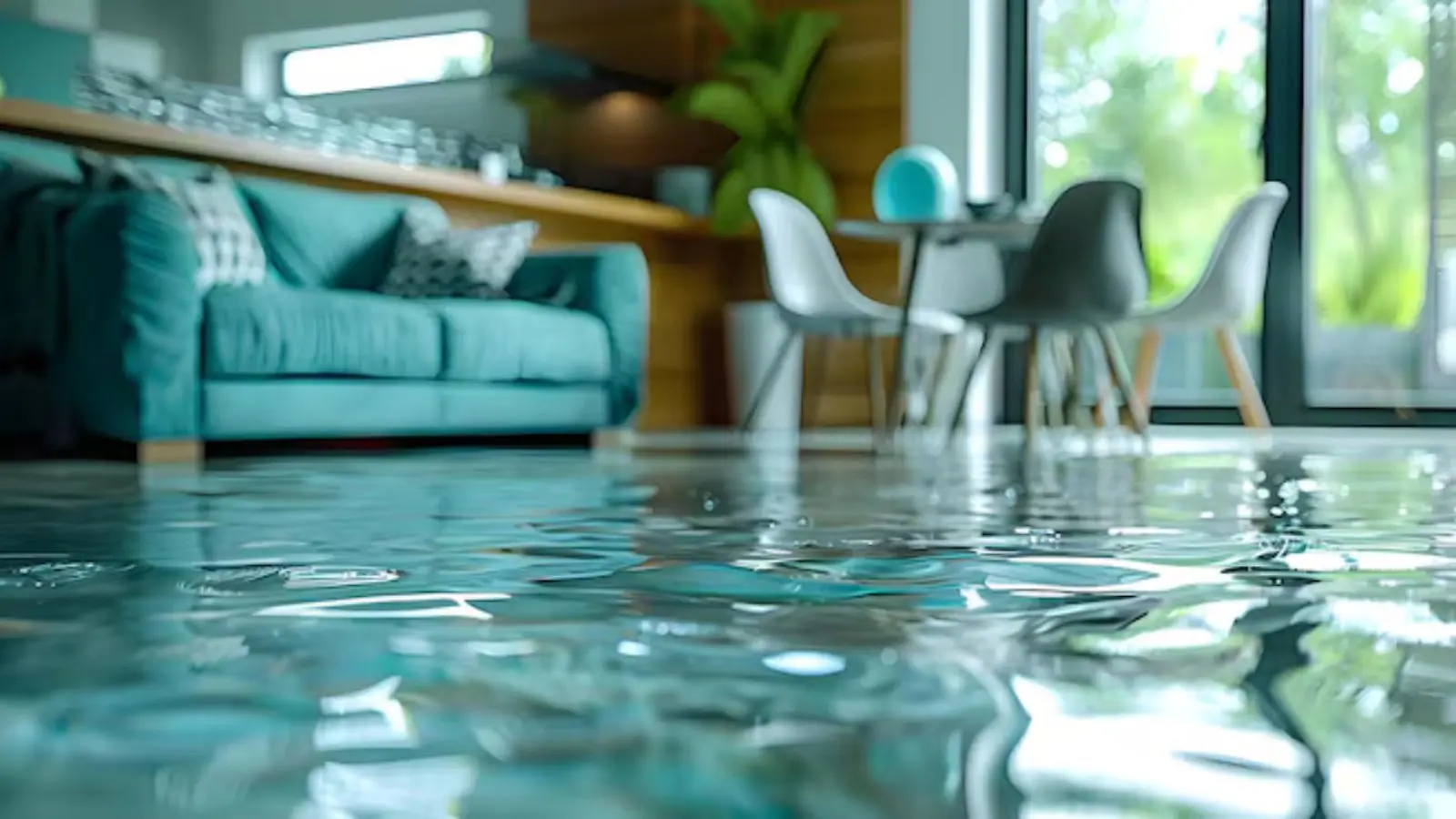
Hillsides, canyons and what water does on them
Water damage restoration in Thousand Oaks, CA starts with the shape of the ground. The city code sets a Protected Ridgeline Overlay Zone to keep the prominent landforms that bound the Conejo Valley in a natural state. Where homes are built, the same standards talk about terracing, split-level designs and rooflines that extend the adjacent downslope. A house on a slope often has floors at different heights.
That affects how you find damage. Water from a failed line on an upper level runs down inside wall cavities and lands in the room below, often far from where the leak began. Crews trace it with meters and an infrared camera, because a dry-looking ceiling can sit on wet insulation.
Multi-level homes: where a leak really travels
A supply line failing in an upstairs bathroom can wet the bathroom floor, the ceiling of the room below and the wall between. On a sloped lot, a garage or lower-level room may sit under the affected area, and those spaces usually hold stored boxes and tools. Check the lowest room first when you smell dampness.
Hardwood and engineered flooring cup when moisture gets under it. Extraction, air movers and LGR dehumidifiers dry the floor in place when it is caught early. Caught late, boards often need to come up. We explain the call on each floor before work starts.
If water is still spreading in Thousand Oaks: your first steps
Find your supplier and valve
Four water purveyors serve the Conejo Valley, so check your bill. Close the main valve at the house, then ask the supplier about the street side if the meter box is leaking.
Check the floor below
On a multi-level home, water on an upper floor drips into walls and ceilings below. Move furniture and valuables out from under stained ceilings.
Cut power only if it is safe
Shut off breakers for wet rooms only if you can reach the panel on a dry floor. Otherwise stay out and call the electric utility.
Keep people clear of dirty water
Backed-up drains and storm flow can be Category 3. Keep children and pets away and do not walk through it.
Call the 24/7 line
Describe the source, the floors affected and what you already shut off. A dispatcher will tell you what to do next.
When water is spreading in Thousand Oaks
If water is moving through the house right now, close the main water valve first, then cut power to wet rooms only if the panel is dry to reach. Move valuables out of the wet zone and keep children and pets away from anything that came from a drain. The dispatch line is answered through the night and on weekends, and same-day response is offered when a crew has an opening.
If the water starts on the utility side, call your supplier. The City of Thousand Oaks lists after-hours Public Works standby for urgent water and wastewater matters on its water operations page, and the other providers have their own lines. For water already inside, emergency water removal is where we start.
Sewage or electrical risk
If sewage is rising in a floor drain or tub, stay out of it. When water touches outlets or an appliance, do not handle anything wet. Call 911 or the electric utility first, then us.
Water on the floor now?
Talk to a dispatcher. The plan and price basis come before any work begins.
Creeks, channels and the Newbury Park drainage study
Treated effluent from the city's Hill Canyon Treatment Plant is discharged into Arroyo Conejo Creek, which flows into Calleguas Creek. If a creek or channel runs near your street, look up the flood zone for your address on the FEMA map before you decide on flood coverage.
In Newbury Park, the City and the Ventura County Watershed Protection District are studying the South Branch Arroyo Conejo storm drain channel system. About 300 properties next to it have needed flood insurance after FEMA revised its maps in 2010. The Army Corps of Engineers found in 2020 that flooding was likely caused by insufficient capacity in the local system, and the City reports a final draft of its own study is expected in early 2027.
For you, that means checking the current FEMA map for your address and asking your insurer about flood coverage. Flood damage is usually excluded from a standard homeowners policy.
Who supplies your water, and who to call
The City names four water purveyors for the Conejo Valley: City of Thousand Oaks, California American Water Company, California Water Service and Camrosa Water District. Calleguas Municipal Water District is the wholesale supplier to Ventura County purveyors. The City distributes up to 15 million gallons a day to more than 17,000 residences and businesses.
The City publishes a Water Quality Report at toaks.gov/waterqualityreport and a lookup at toaks.gov/waterproviders. Use the lookup before an emergency. Knowing which company owns your meter tells you who to call when the street side is leaking.
Repairs, permits and what comes after drying
Once the structure is dry, water damage repair covers drywall, insulation, flooring and paint. In Thousand Oaks, the Building Division of the Community Development Department handles permits and inspections. Its page lists replacing water heaters and fixtures and repairing gas, water or sewer lines among permit items, and says the list is not limited to those. Ask the Building Division what your rebuild needs.
Restoration is not a plumber. A split supply line or failed water heater needs a licensed plumber, and some of that work may need a permit. We coordinate drying around it and explain what is left for the trade.
Mold follows moisture that stays
Wet drywall and insulation inside a wall can stay damp long after the surface looks dry. When that happens, mold remediation involves containment, HEPA air scrubbers and negative air machines, and the leak must be fixed first. If a lender or buyer asks for clearance, independent testing is an option.
Drying fast is the better path. Water mitigation in the first days is what keeps a leak from becoming a mold job.
Nearby and insurance notes
We also serve Santa Rosa Valley from this page. For neighboring cities, see Simi Valley and Camarillo.
Sudden and accidental water damage is often covered by homeowners policies. Gradual leaks and neglect often are not, and flood damage is usually excluded and needs separate flood coverage. Review the policy wording and call your carrier.
Thousand Oaks on the map
Questions from Thousand Oaks homeowners
Yes. Dispatch runs 24/7, including nights, weekends and holidays, and a same-day visit is often possible. Call, tell us where the water started and which floors are wet, and we will say what to do while you wait.
Yes. Both Thousand Oaks ZIP codes, 91360 and 91362, are covered, including homes on hillside lots and homes on level ground. Give the dispatcher your street address and we will confirm.
Yes. Water runs down through floors and inside wall cavities, so a leak in an upper bathroom can wet the ceiling and walls below. We check each level with pin-meter readings and thermal images.
It depends on the work. The City Building Division lists water heater and plumbing fixture replacement and repair of water, gas and sewer lines among permit items. Ask the Building Division before you rebuild.
We explain the removal plan, the expected drying approach and the factors behind the price. Category, area, materials and drying time all matter, so the number comes after the crew sees the damage.
Sudden events are often covered, slow leaks and neglect often are not, and flood usually needs its own policy. Your insurer decides, so ask before filing and keep records of the damage and your calls.