
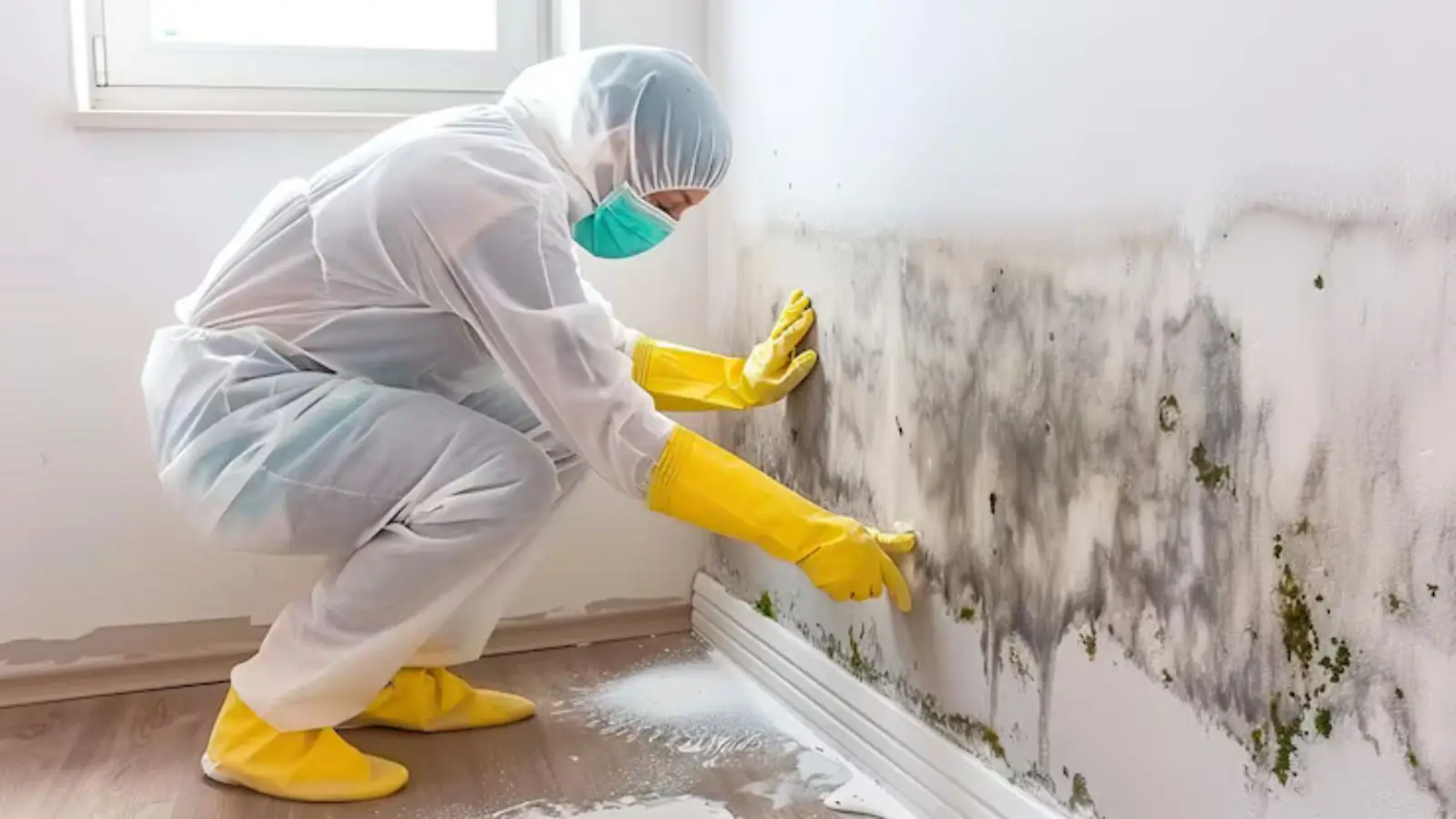
Mold remediation in Moorpark, CA starts with the water source
Mold remediation in Moorpark, CA is the controlled removal of mold growth and the materials it has colonized, followed by cleaning and a check that the area is ready to rebuild. Mold needs moisture to grow. If the leak, condensation or humidity source is not fixed first, removing the growth only resets the clock.
Licensed and insured crews work from a scope explained before work starts. Health questions about mold belong with a physician.
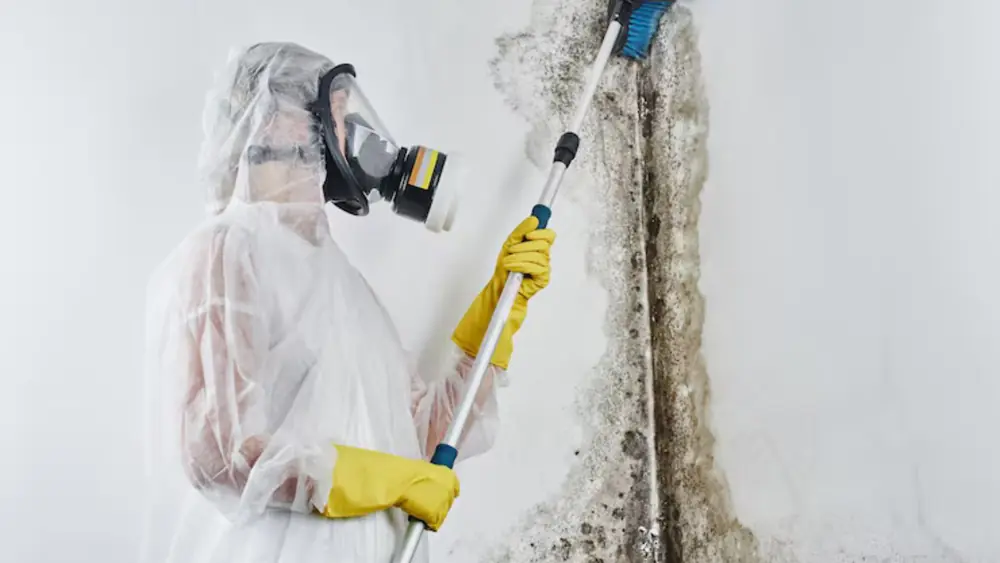
Musty smell or dark spots after a leak?
Callers describe the same things: a musty smell in a closet, dark spots on a ceiling near a bathroom, fuzzy patches on the back of a cabinet, or a stain that keeps returning after repainting. Most of these trace back to a toilet or sink supply, an air conditioner condensate line, a roof leak, or siding that let rain behind the wall.
A smell alone does not show the extent. Meter readings and an infrared scan show where the wall is wet, and a visual check shows what is growing. Mold remediation starts by finding that moisture.
Mold After Water Damage
Mold can start to grow on wet drywall, wood and fabric within a day or two when water is not removed and dried. That is why the first steps matter: water mitigation removes the moisture with extraction, air movers and dehumidifiers before growth gets established.
When drying is late or incomplete, growth shows up days or weeks later in the places that stayed damp: behind baseboards, under carpet pad, inside a wall cavity or above a ceiling that was patched too soon. Clean water that sits is still a problem, because it makes porous materials a food source over time.
The scope should name the water source. If it was a roof, ask who is repairing it. If it was a pipe, confirm the plumber has finished. Remediation is not roofing or plumbing, and it cannot stop an active leak. Call the 24/7 line if water is still entering.
Humidity, condensation and why Moorpark homes get mold
The city reports annual humidity between about 42 and 68 percent, with January highs near 70 and October highs near 75. Rainfall averages 15.85 inches a year and is winter-weighted, so a roof or window leak after a dry stretch can wet insulation for weeks before you notice a stain.
Condensation is the quieter cause. A bathroom without a working fan, a closet on an exterior wall and a clogged air conditioner condensate line can all keep a surface damp. Older buildings in Old Town Moorpark near High Street may also have limited attic and crawl space ventilation, so ask the crew to look there.
Mold Removal and Black Mold Cleanup
"Black mold" is a popular name for dark growth, and color alone does not identify a species. Black, green or white, the approach is the same: control the moisture, contain the area, and remove or clean the affected material.
Nonporous surfaces such as tile, glass and metal can usually be cleaned. Porous materials such as drywall, insulation, ceiling tile and carpet pad are generally removed, because growth goes into them and surface cleaning does not reach it. Wood framing is HEPA vacuumed, wire brushed or sanded as the scope calls for.
Antimicrobial products are used only where the label allows and never replace removal. Ask the company what products it uses and why. Once the area is clean and dry, water damage repair takes over the rebuild.
Inspection, testing and independent clearance testing
An inspection looks at the source, the visible growth and the moisture. Air or surface testing does not replace a visual inspection, so ask what a test would tell you before paying for it.
Clearance testing happens after remediation and checks the area against the criteria in the scope. The tester should be independent, meaning separate from the remediation company, so the company that did the work is not grading itself.
Clearance for a home sale or loan comes up often. A lender may ask for documentation before funding, and a clearance report is the kind of record people use. Whether a lender or buyer accepts it is their decision, so ask what they require.
Containment, negative air and what the S520 standard describes
ANSI/IICRC S520 is a published industry standard for mold remediation. You can ask every company whether its crews follow it, and how. Reputable crews will describe containment, not only chemicals.
Set containment
Plastic sheeting and a sealed entry isolate the work area so spores do not travel through the house.
Run negative air
A negative air machine with HEPA filtration pulls air out of the contained area and keeps pressure lower inside.
Remove porous materials
Affected drywall, insulation and pad are cut out, bagged in place and carried out sealed.
Clean what remains
Framing and hard surfaces are HEPA vacuumed and damp wiped, with antimicrobials applied per label where used.
Dry and verify
Dehumidifiers and air movers bring moisture to normal, and a meter confirms it before anything is closed up.
What you are comparing when you get a mold bid
Ask whether California licenses that work, and ask for license numbers from anyone doing rebuild work.
| Situation | Typical scope | Questions to ask |
|---|---|---|
| Small surface growth on tile or painted wall | Cleaning, source repair and drying | Was the source fixed and what cleaner is used? |
| Growth on drywall after a leak | Containment, drywall removal, HEPA cleaning, drying | How is the area contained and where does debris go? |
| Growth in attic or crawl space | Access, containment, cleaning or removal, ventilation advice | Is the moisture source identified? |
| Hidden growth behind a wall | Inspection, opening the wall, removal, rebuild | How will the opening be sized? |
| Sale or loan clearance needed | Remediation plus independent clearance testing | Who performs the test and who receives the report? |
What drives the cost of mold remediation
Source and category
A clean-water leak is simpler than a sewage or flood source, and a source still leaking must be fixed first.
Affected area
Square footage and how far growth traveled set containment size and removal volume.
Materials involved
Porous materials come out and nonporous ones are cleaned, so the material mix drives scope.
Equipment and days
Negative air machines, HEPA air scrubbers and dehumidifiers are counted by number and days in place.
Testing and rebuild
Independent clearance testing and the repair afterward are usually separate from removal.
Insurance may cover mold that results from a covered sudden loss, while mold from long-term leaks or humidity often is not. Confirm what applies with your insurance company. Want the actual figure? Call and describe the situation, and the scope comes first.
Mold after a leak in Moorpark?
Call to describe what you see and where the water came from. Scope and price explained first.
Keeping records for a claim or a sale
Photograph the area before work, keep the scope and any test reports, and note the date the source leak was repaired. If you own property toward Camarillo, the Camarillo service page covers that area.
Questions about mold remediation in Moorpark
It turns on the cause. Mold that follows a sudden covered loss may be treated differently from mold that grew from a long-term leak or humidity. Check the policy and ask your insurer before work starts.
Yes. The scope covers containment, what will be removed, how the area will be dried and how the work is priced. Testing, area and rebuild are the main cost drivers.
It can be, but it will not hold up. Mold needs moisture, so the source must be repaired first. A crew should confirm the source and the moisture readings before starting.
Requirements come from the buyer, lender or agent, not from this page. Ask them what documentation they want. Independent testers are separate from the remediation company, which is what most people look for in a report.
Small surface spots on hard materials may be cleaned by homeowners following product labels. Larger areas, drywall, insulation and anything tied to a sewage or flood source are better left to a crew. Questions about health belong with a physician.
No. Mitigation removes water and dries the structure. Remediation removes mold growth and affected materials. Mold often follows late or incomplete drying.